
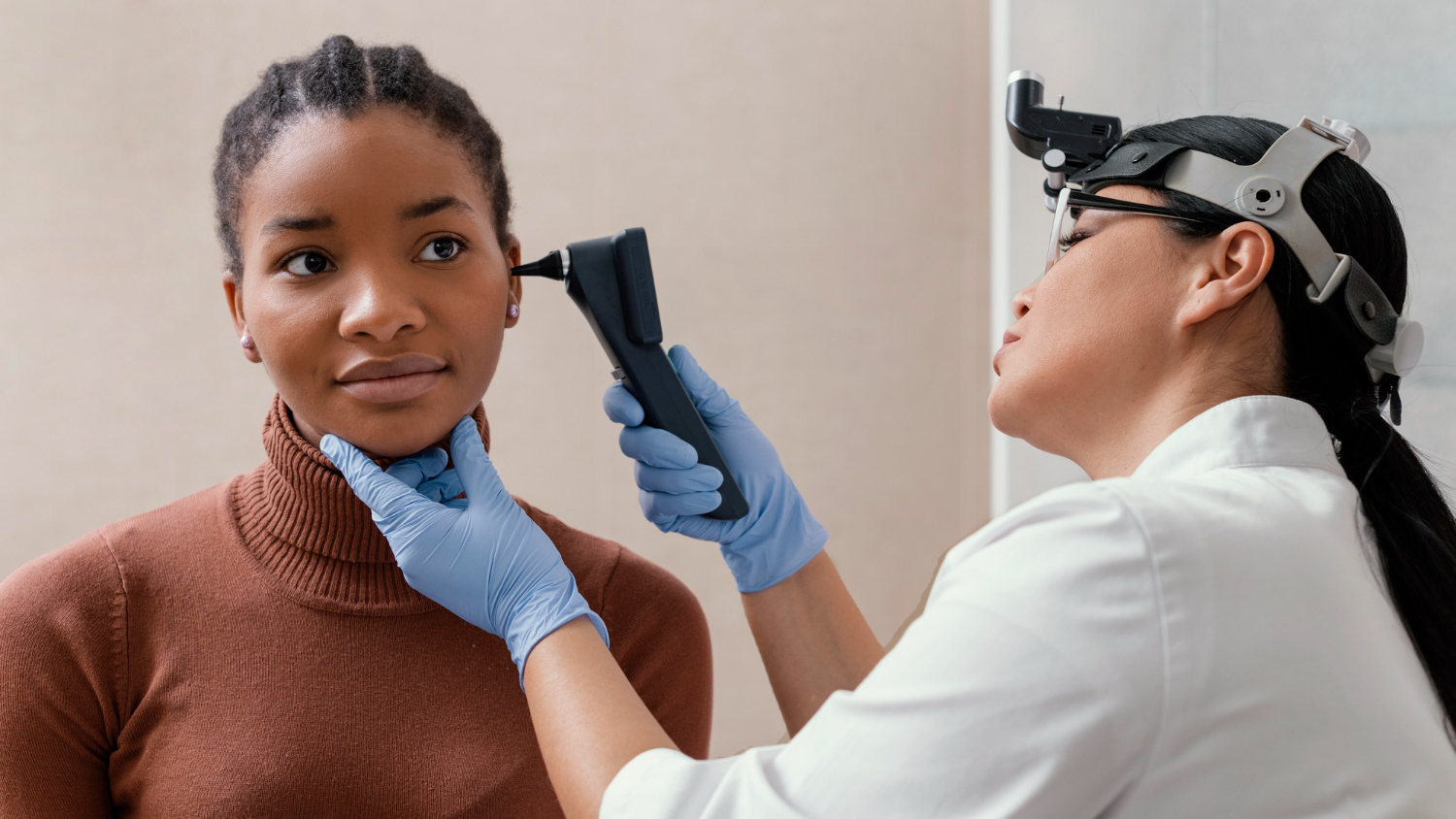
Hearing Loss Treatment in Boynton Beach, FL
Hearing loss is one of the most prevalent health conditions in the United States, affecting an estimated 48 million Americans to varying degrees. It can develop gradually or suddenly, affect one ear or both, and range from mild difficulty following conversation to profound deafness. At The Center for Sinus, Allergy, & Sleep Wellness, Dr. David C. Brodner and our ENT team provide comprehensive evaluation and personalized treatment for patients experiencing hearing loss in Boynton Beach, FL and throughout South Florida. Do not wait — early evaluation is essential for preventing further damage and identifying the most effective treatment path. Call (561) 735-8750 to schedule your hearing evaluation today.
How We Hear
Understanding hearing loss begins with understanding how hearing works. Sound enters the outer ear and travels through the ear canal to the eardrum, which vibrates in response to sound waves. These vibrations are transmitted through three tiny bones in the middle ear — the malleus, incus, and stapes — to the fluid-filled inner ear (cochlea). Inside the cochlea, tiny hair cells convert these fluid movements into electrical signals that travel via the auditory nerve to the brain, where they are interpreted as sound. Damage or obstruction at any point in this pathway can cause hearing loss.
Types of Hearing Loss
There are four main types of hearing loss, each reflecting a different location of disruption in the hearing pathway:
- Conductive hearing loss — Caused by a blockage or damage in the outer or middle ear that prevents sound from reaching the inner ear. Common causes include earwax buildup, middle ear fluid, ear infections, perforated eardrum, or otosclerosis (abnormal bone growth in the middle ear). Conductive hearing loss is frequently treatable.
- Sensorineural hearing loss — Resulting from damage to the cochlear hair cells or the auditory nerve, most commonly from aging (presbycusis) or noise exposure. Sensorineural hearing loss is typically permanent, though hearing aids or cochlear implants can substantially improve function.
- Mixed hearing loss — A combination of both conductive and sensorineural components.
- Central hearing loss — Also called central auditory processing disorder, this occurs when the brain’s central nervous system cannot properly process sound signals. People with this type can hear sounds but struggle to interpret them correctly.
Common Causes of Hearing Loss
Hearing loss can result from a wide range of causes affecting different parts of the ear:
- Outer ear: Earwax buildup, outer ear infections, growths, injuries, or congenital abnormalities
- Middle ear: Fluid accumulation, ear infections, Eustachian tube dysfunction, benign or malignant tumors, otosclerosis
- Inner ear: Age-related cochlear degeneration (presbycusis), prolonged noise exposure, Meniere’s disease, acoustic neuroma, viral infections, ototoxic medications
- Genetic and hereditary conditions including CHARGE Syndrome, Connexin 26 disorder, Usher Syndrome, Waardenburg Syndrome, and others
- Systemic conditions: Autoimmune diseases, diabetes, cardiovascular disease, and certain infections during pregnancy
Of these, prolonged exposure to loud noise is one of the most common — and most preventable — causes of hearing loss in adults. Prompt evaluation when symptoms first appear is critical, as some causes of hearing loss (particularly sudden sensorineural hearing loss) represent medical emergencies that require urgent treatment to maximize the chance of recovery.
Hearing Loss Treatment at The Center for Sinus, Allergy, & Sleep Wellness
Treatment depends on the location, type, and severity of hearing loss. Dr. Brodner performs a thorough ear examination and hearing assessment to identify the specific cause before recommending a course of action. Treatment options may include:
- Medications — antibiotics, antifungals, corticosteroids, or decongestants to address infectious or inflammatory causes
- Earwax removal for conductive hearing loss caused by cerumen impaction
- Myringotomy — a small procedure to drain fluid from the middle ear
- Ear tube insertion for recurrent middle ear fluid or chronic Eustachian tube dysfunction
- Surgical correction of structural abnormalities affecting the outer or middle ear
- Hearing aids — custom-fitted and programmed for the specific type and degree of hearing loss
- Referral for cochlear implant evaluation when appropriate for severe to profound sensorineural hearing loss
Frequently Asked Questions About Hearing Loss
What are the early warning signs of hearing loss?
Early signs include difficulty following conversations in noisy environments, frequently asking people to repeat themselves, turning up the TV or radio louder than others prefer, missing parts of phone conversations, a feeling of fullness or pressure in the ear, and tinnitus (ringing or buzzing sounds). If you notice any of these signs in Boynton Beach, FL, contact The Center for Sinus, Allergy, & Sleep Wellness at (561) 735-8750 for a hearing evaluation.
Is sudden hearing loss an emergency?
Yes. Sudden sensorineural hearing loss — defined as hearing loss of 30 dB or more occurring over 72 hours or less — is a medical emergency. Prompt treatment with high-dose corticosteroids, ideally within 24 to 72 hours of onset, offers the best chance of partial or full recovery. If you experience sudden hearing loss accompanied by dizziness, fever, or pain, contact The Center for Sinus, Allergy, & Sleep Wellness immediately at (561) 735-8750 or go to an emergency room.
Can hearing loss caused by noise exposure be reversed?
Noise-induced hearing loss is typically sensorineural and permanent — the cochlear hair cells damaged by loud sound do not regenerate. However, hearing aids can substantially restore functional hearing in most affected individuals. The most important step is protecting your remaining hearing by avoiding further noise exposure. Dr. Brodner can evaluate the degree of noise-induced hearing loss and recommend appropriate management.
What is the connection between ear infections and hearing loss?
Ear infections, particularly middle ear infections with fluid accumulation, commonly cause temporary conductive hearing loss by blocking sound transmission through the middle ear. In most cases this resolves when the infection and fluid clear. However, chronic or recurrent middle ear infections — especially when left untreated — can cause more lasting damage to the eardrum or middle ear structures. Early treatment of ear infections at The Center for Sinus, Allergy, & Sleep Wellness is important for protecting long-term hearing health.
Can Eustachian tube problems cause hearing loss?
Yes. Eustachian tube dysfunction causes fluid to accumulate in the middle ear, which muffles sound transmission and reduces hearing acuity. This type of hearing loss is conductive and typically reversible with treatment. For patients with persistent ETD-related hearing loss, Eustachian Tube Dilation at The Center for Sinus, Allergy, & Sleep Wellness can restore normal Eustachian tube function and resolve the associated hearing impairment.
What is presbycusis and is it treatable?
Presbycusis is age-related sensorineural hearing loss caused by the gradual degeneration of the cochlear hair cells over time. It is the most common cause of hearing loss in adults over 60, typically affecting high-frequency sounds first and progressing slowly over years. While presbycusis itself cannot be reversed, properly fitted and programmed hearing aids can dramatically improve speech understanding and quality of life for affected individuals. Dr. Brodner evaluates and manages presbycusis as part of the comprehensive hearing care at The Center for Sinus, Allergy, & Sleep Wellness.
When should I see an ENT for hearing loss rather than an audiologist alone?
You should see an ENT physician — rather than only an audiologist — when hearing loss is sudden, accompanied by pain, dizziness, tinnitus, ear drainage, or other symptoms suggesting a medical cause; when it is asymmetric (affecting one ear more than the other); or when it is persistent despite prior treatment. Dr. Brodner at The Center for Sinus, Allergy, & Sleep Wellness performs a comprehensive medical evaluation to identify any treatable underlying cause before considering hearing aids or other accommodative devices.
Get a Hearing Evaluation in Boynton Beach, FL
Hearing loss affects every aspect of daily life — communication, relationships, safety, and independence. The Center for Sinus, Allergy, & Sleep Wellness provides expert, personalized evaluation and treatment for hearing loss at every stage. Call (561) 735-8750 or request an appointment online today — same-day and next-day availability for patients throughout Boynton Beach, FL and Palm Beach County.