
Nasal Valve Collapse: What It Is and Why It Keeps You From Breathing
If you have chronic nasal obstruction — that frustrating inability to get adequate air through your nose — but every physician you have seen tells you your sinuses look clear, nasal valve collapse may be the culprit. It is one of the most common and most frequently missed causes of nasal breathing difficulty, yet it does not show up on standard imaging and requires a trained ENT physician to diagnose properly. At The Center for Sinus, Allergy, & Sleep Wellness in Boynton Beach, FL, Dr. David C. Brodner offers multiple minimally invasive, in-office solutions for nasal valve collapse — including Vivaer® Nasal Airway Remodeling and LATERA® Implants.
Frequently Asked Questions About Nasal Valve Collapse
What is the nasal valve?
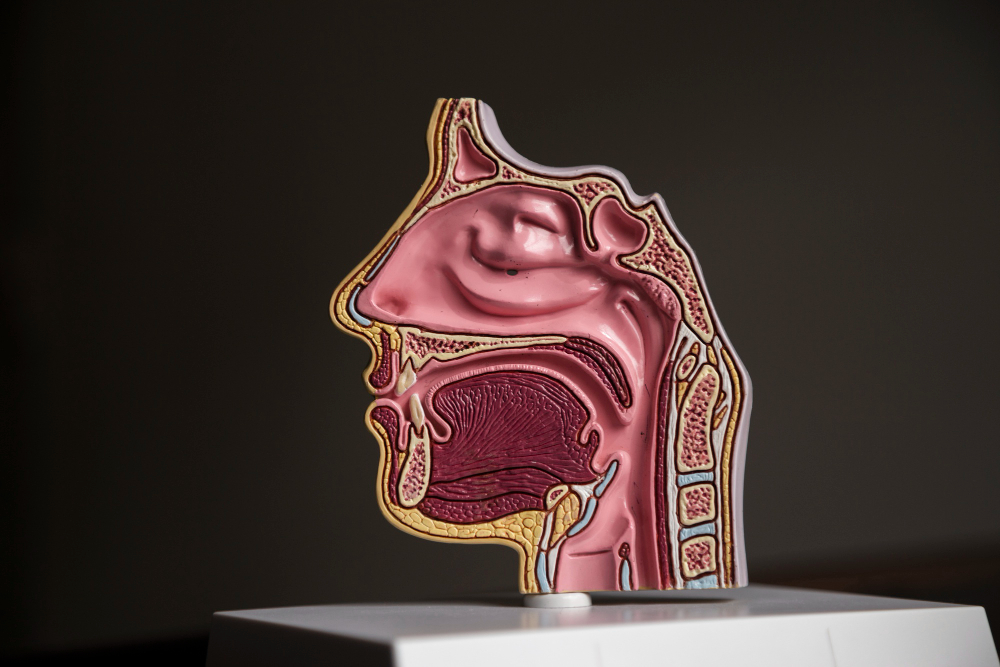
The nasal valve is the narrowest segment of the nasal airway — the point where the lateral nasal cartilage on the side of the nose meets the nasal septum (the dividing wall in the center). This triangular area, called the internal nasal valve, is the site of maximum airflow resistance in the nose. Even minor narrowing at this location can substantially restrict airflow, because resistance to airflow increases dramatically with decreasing airway diameter. The external nasal valve — at the nostril rim — also contributes to breathing and can collapse independently.
What is nasal valve collapse?
Nasal valve collapse occurs when the structural integrity of the lateral nasal cartilage is insufficient to maintain the nasal valve open during inhalation. As air rushes inward during a breath, the reduced pressure inside the nose creates suction — and if the cartilage on the side of the nose is too weak or flexible, it caves inward, physically reducing the nasal valve opening and blocking airflow. Nasal valve collapse is as prevalent as septal deviation and turbinate hypertrophy among patients presenting for nasal obstruction evaluation, yet it is frequently overlooked. Research published in JAMA Facial Plastic Surgery estimates that nasal valve compromise contributes to nasal obstruction in up to 13% of the population.
How do I know if I have nasal valve collapse?
A simple self-test called the Cottle’s Maneuver can suggest nasal valve collapse at home: place one or two fingertips on your cheeks on either side of your nose and gently press outward, temporarily widening the nasal valve. If your breathing through the nose noticeably improves with this maneuver, your nasal obstruction may be at the nasal valve level. Patients with nasal valve collapse also frequently report that nasal strips (such as Breathe Right® strips) provide temporary relief — because the strips mechanically hold the nasal sidewall open. These are both signs — but definitive diagnosis requires evaluation by a trained ENT physician like Dr. Brodner at The Center for Sinus, Allergy, & Sleep Wellness.
What symptoms does nasal valve collapse cause?
Nasal valve collapse produces symptoms that are often indistinguishable from other causes of nasal obstruction: persistent nasal congestion or stuffiness that does not respond to decongestants, difficulty breathing through the nose (one side or both), a sensation of pinching or collapse in the nose during inhalation, trouble getting adequate airflow during exercise, difficulty sleeping and snoring due to nasal blockage, and a chronic need for mouth breathing. Many patients with nasal valve collapse report that the problem is noticeably worse when they lie down or exercise, as increased respiratory demand exposes the structural weakness of the nasal valve under greater airflow demands.
How is nasal valve collapse treated with Vivaer®?
Vivaer® Nasal Airway Remodeling uses low-temperature radiofrequency energy delivered through a small wand to permanently reshape the internal nasal valve cartilage — slightly widening the nasal valve opening and reducing airflow resistance. The procedure is performed in our Boynton Beach office under local anesthesia in approximately one hour. No cutting and no tissue removal are involved. Clinical studies show that patients treated with Vivaer® experience significant and lasting improvements in nasal obstruction comparable to more invasive surgical procedures. Most patients return to normal activities the same day.
How is nasal valve collapse treated with LATERA® Implants?
LATERA® Absorbable Nasal Implants address nasal valve collapse from a structural support perspective: a small, absorbable implant is inserted into the upper lateral cartilage of the nose to provide mechanical support to the collapsing sidewall — preventing it from caving inward during breathing. Unlike Vivaer® which remodels cartilage stiffness, LATERA® physically braces the lateral wall against collapse. The implant is entirely inside the nose — no visible external changes — and dissolves over approximately 18 months. Clinical results show that 86% of patients report improved nasal breathing and 93% are satisfied with appearance results. Dr. Brodner was a Chief Investigator in the original LATERA® clinical trials and has been a national Key Opinion Leader for the implant since 2017.
Can Vivaer® and LATERA® be used together?
Yes. In some patients, both nasal valve remodeling (Vivaer®) and structural support (LATERA®) contribute to optimal outcomes — particularly when both cartilage stiffness and lateral wall collapse are contributing to obstruction. Dr. Brodner evaluates each patient’s anatomy and determines whether one procedure, the other, or a combination is the most appropriate approach. Both procedures can be performed in the same office visit when combination treatment is indicated.
Does nasal valve repair affect how my nose looks?
Neither Vivaer® nor LATERA® changes the external appearance of the nose. Both procedures are performed entirely through the interior of the nasal passages — no external incisions, no scarring, no visible changes to the nose’s outward shape or structure. This is a significant advantage over traditional rhinoplasty-based approaches to nasal valve repair, which involve external surgical incisions and recovery.
Get Nasal Valve Collapse Treatment in Boynton Beach, FL
If you have been struggling to breathe through your nose without finding a clear explanation or effective solution, nasal valve collapse deserves evaluation. The Center for Sinus, Allergy, & Sleep Wellness offers the most advanced, minimally invasive nasal valve treatment available in South Florida — performed by the physician who helped develop and clinically trial LATERA® Implants. Call (561) 735-8750 or request an appointment online today.
Medically reviewed by David C. Brodner, MD, Double Board-Certified Otolaryngologist and Sleep Medicine Specialist, The Center for Sinus, Allergy, & Sleep Wellness, Boynton Beach, FL.